
ALZHEIMER’S
Hyperbaric oxygen therapy (HBOT) may help Alzheimer's disease by increasing oxygen delivery to the brain, which can reduce inflammation, improve blood flow, and support tissue repair. These evidences suggest that hyperbaric oxygen is an effective and safe intervention for the treatment of AD. It does this by:
Increasing Oxygen: Patients breathe pure oxygen inside a pressurized chamber, which forces oxygen into body fluids and poorly supplied brain tissues.
Reducing Inflammation: High oxygen levels help lower chronic brain inflammation, a major factor in Alzheimer's decline.
Boosting Blood Flow: The treatment encourages the growth of new blood vessels, improving overall circulation and metabolism in the brain.
Triggering Stem Cells: HBOT stimulates the release of stem cells that assist in repairing damaged brain tissue and forming new neural connections.
Study: Clinical evidence of hyperbaric oxygen therapy for Alzheimer’s disease: a systematic review and meta-analysis of randomized controlled trials
Conclusion: In summary, our results suggest that hyperbaric oxygen intervention can remarkably improve some markers of cognitive function as assessed by MMSE, ADAS-Cog, and ADL tests in the AD population. Meanwhile, the oxidative stress markers (MDA and SOD) and inflammation cytokines (IL-1β and TGF-β1) in blood can also be improved.
Study: The neuroprotective effects of oxygen therapy in Alzheimer’s disease: a narrative review
Conclusion: Oxygen therapy could improve the symptoms of AD through modulation of multiple pathological aspects of AD including Aβ metabolism, tau phosphorylation, neuroinflammation, neuronal apoptosis, oxidative stress, neurotrophic factors, mitochondrial function, cerebral blood volume, mitochondrial function, and protein synthesis. Therefore, oxygen therapy may emerge as an effective therapeutic strategy for AD Figure 2
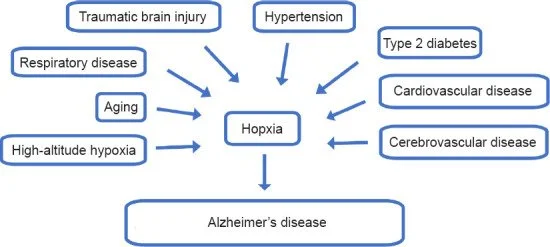
Figure 1: Hypoxia is an important risk factor for Alzheimer’s disease
As hypoxia is involved in AD pathogenesis, preventive measures and treatments targeting hypoxia may delay or mitigate the progression of neurodegenerative diseases. Oxygen therapy can significantly improve the oxygen content in the body to reverse acute or chronic hypoxia (Hamilton et al., 2003; Cheng et al., 2021; Guan et al., 2021). Numerous studies have shown that oxygen therapy can improve the risk factors of AD (Hachmo et al., 2020; Deng et al., 2018) and the clinical symptoms of AD (Chen et al., 2020).
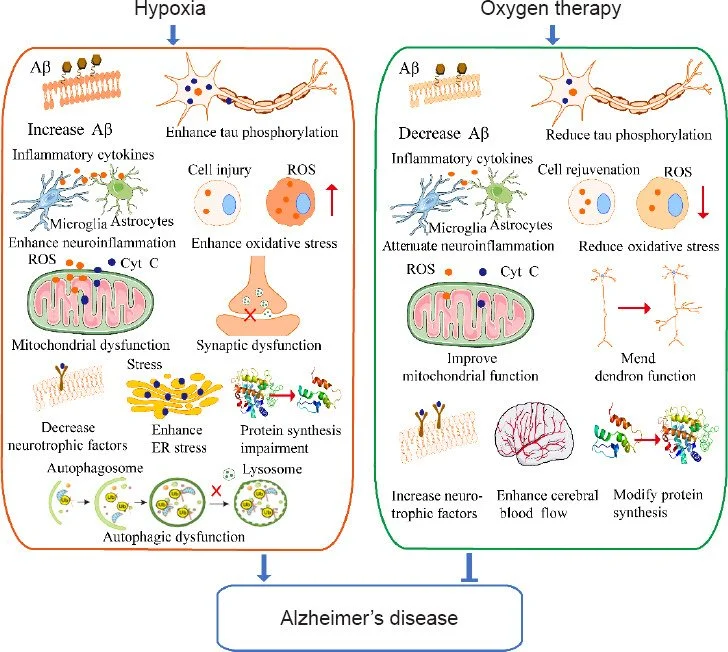
Figure 2: The mechanism underlying hypoxia and oxygen therapy in Alzheimer’s disease.
Aβ: Amyloid-beta; Cyt C: cytochrome C; ER: endoplasmic reticulum; ROS: reactive oxygen species.