
The History of Hyperbaric Medicine
1600's
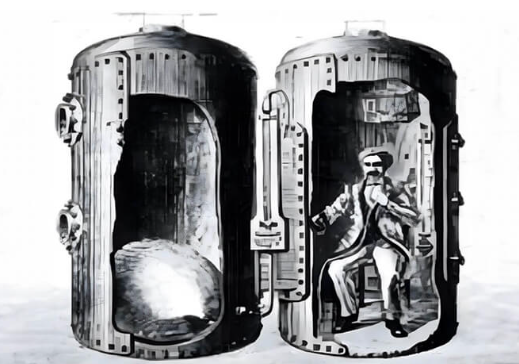
1662 - Henshaw, a British clergyman, build and operated the Domicilium - the world’s first pressurised chamber.
This utilised increased pressure alone, and organ bellows were used to change the atmospheric pressure. He believed that it would help treat illness and this marks the beginning of hyperbaric medicine.
1700's
1774 - Joseph Priestly discovered oxygen as a chemical element
1800's
1834 - Junod, a French physiciaon, built a hyperbaric chamber to treat pulmonary afflictions and reported increased circulation and feelings of well being
1837 - Pravez, another French physician, buuilt a chamber that seated up to 12 people.
1900'sIn the early 1900’s hyperbaric medicine and diving began to overlap in their developments. Naval and deep sea diving research aided progress in medical uses.
HBOT use for ulcers and necrotic tissue is well documented
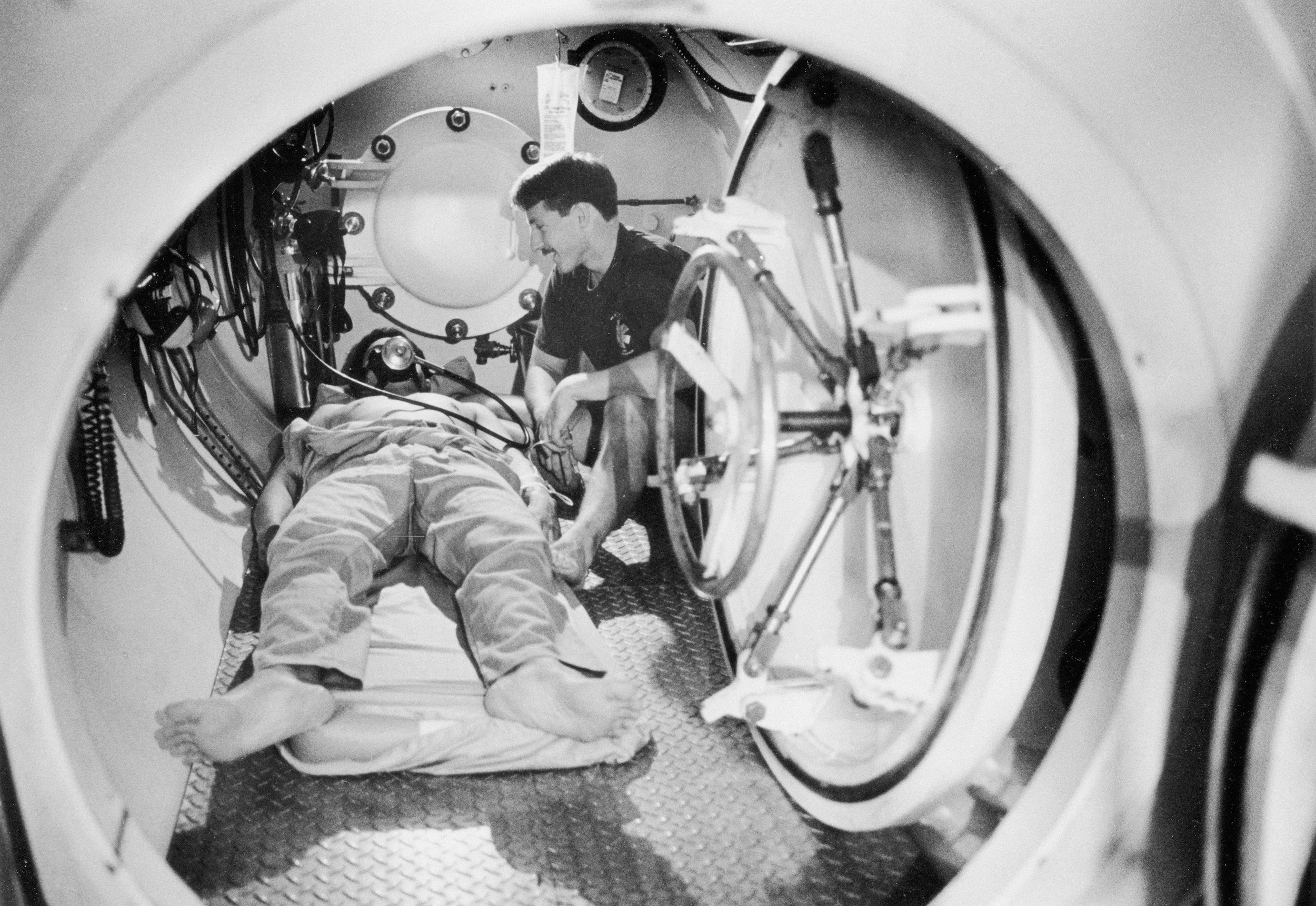
2000'sAccessibility of HBOT has increased along with clinical trials and studies to document the effects seen by physicians and users - hyperbaric treatment for MS, cancer, stroke, diabetes, fibromyalgia, long COVID, infections, wounds, broken bones, sports injuries and many other conditions
What next?Use of AI will allow quicker validation of clinical pathways and efficacy.
Studies and trials to document the results are needed.
Further work on understanding the effect of the HBOT mechanisms on the body’s internal systems